
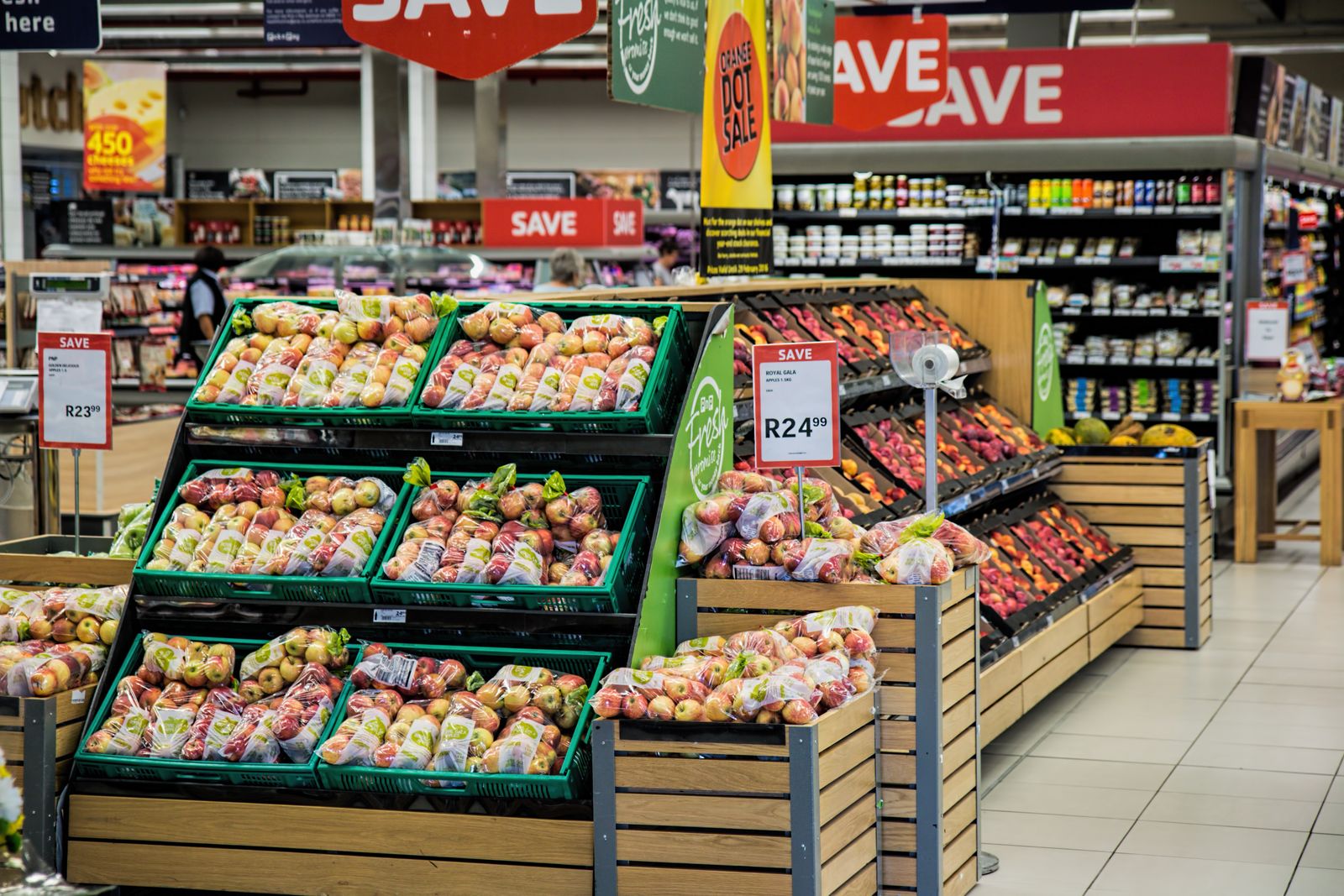
Behind every shop there are years of effort, tight margins and an investment that is not always protected with the attention it deserves. Small businesses are also an especially convenient target: few staff, predictable hours, tills holding cash and, often, premises that close at night with no one inside. The result is a steady drip of shoplifting, break-ins and damage that eats into profitability month after month.
The good news is that retail is one of the environments where private security delivers the best return: small, well-placed doses of presence drastically reduce risk. Let’s see where to start.
The real risks for a shop
Not all risks are equal, and confusing them leads to spending on the wrong thing. In day-to-day operations, the most frequent problem is shoplifting: repeated product thefts that become a silent drain. Next comes the break-in outside opening hours, through a crowbar, broken glass or a weak access point.
Other risks are frequently overlooked: sabotage before a reopening, the occupation of an empty premises between leases, altercations in leisure or hospitality venues, and prolonged closures for works, refurbishment or the low season, which turn the premises into an unattended space for weeks.
When risk rises
Risk is not constant: it concentrates at specific moments. The worst are usually nights and public holidays — when no one is inside — periods when the safe is full at the end of high-selling days, closures for holidays or refurbishment, and peak seasons, when staff are overwhelmed and lose the ability to control the floor.
In Andalusian towns with strong tourist seasonality, that concentration is very marked: full shelves and heavy footfall in summer, and almost empty premises in winter. The security setup should adapt to that rhythm.
Guard or alarm: it is not a contest
Many shopkeepers weigh up hiring security or relying on an alarm. These are not mutually exclusive, but complementary. An alarm warns when someone has already entered; a guard, by contrast, stops them from daring to enter. On top of this comes the daily work of in-store security staff, where a visible presence alone deters shoplifting and frees the team from control tasks.
For many shops, especially those handling cash or high-value products, the most effective formula is not one thing but a proportionate combination:
- Surveillance at critical hours: opening, closing, restocking and selected nights.
- Access and capacity control in leisure, hospitality and event venues.
- A deterrent presence in shopping areas with recurring problems.
- Clear protocols for theft, conflict or closing.
The hourly service option
If the budget is tight, security does not have to be all or nothing. The hourly security guard service is increasingly common in retail: reinforcement during the highest-risk moments, cover on specific days or temporary presence after an incident. It is a sensible way to start protecting yourself without committing to a high fixed cost.
What to do when a theft happens
Reacting well after an incident is also part of security. First, do not touch anything and notify the Police or the Guardia Civil. Then preserve the camera footage and provide access to images from the key hours. Documenting damage and missing stock with photographs and ordered lists speeds up the report and the insurance claim. And once the urgency has passed, review what failed: where they got in, which area was blind, which time they exploited. Every incident leaves clues to close the next door.
In shops with repeated problems, a security company can bring that analysis with a technical eye and propose concrete, not generic, measures.
Protecting the business means protecting years of work
No shopkeeper wants to spend on security, but almost all of those who have suffered a serious theft would have preferred to do so beforehand. The key is to tailor the service to the reality of the business: its hours, its product, its location and its budget. No more and no less than necessary.
If you run a shop or small business in Andalusia and want to reduce risk without blowing your budget, talk to our team. We analyse your case and propose a tailored solution, with licensed personnel (D.G.S.E. 4713).