
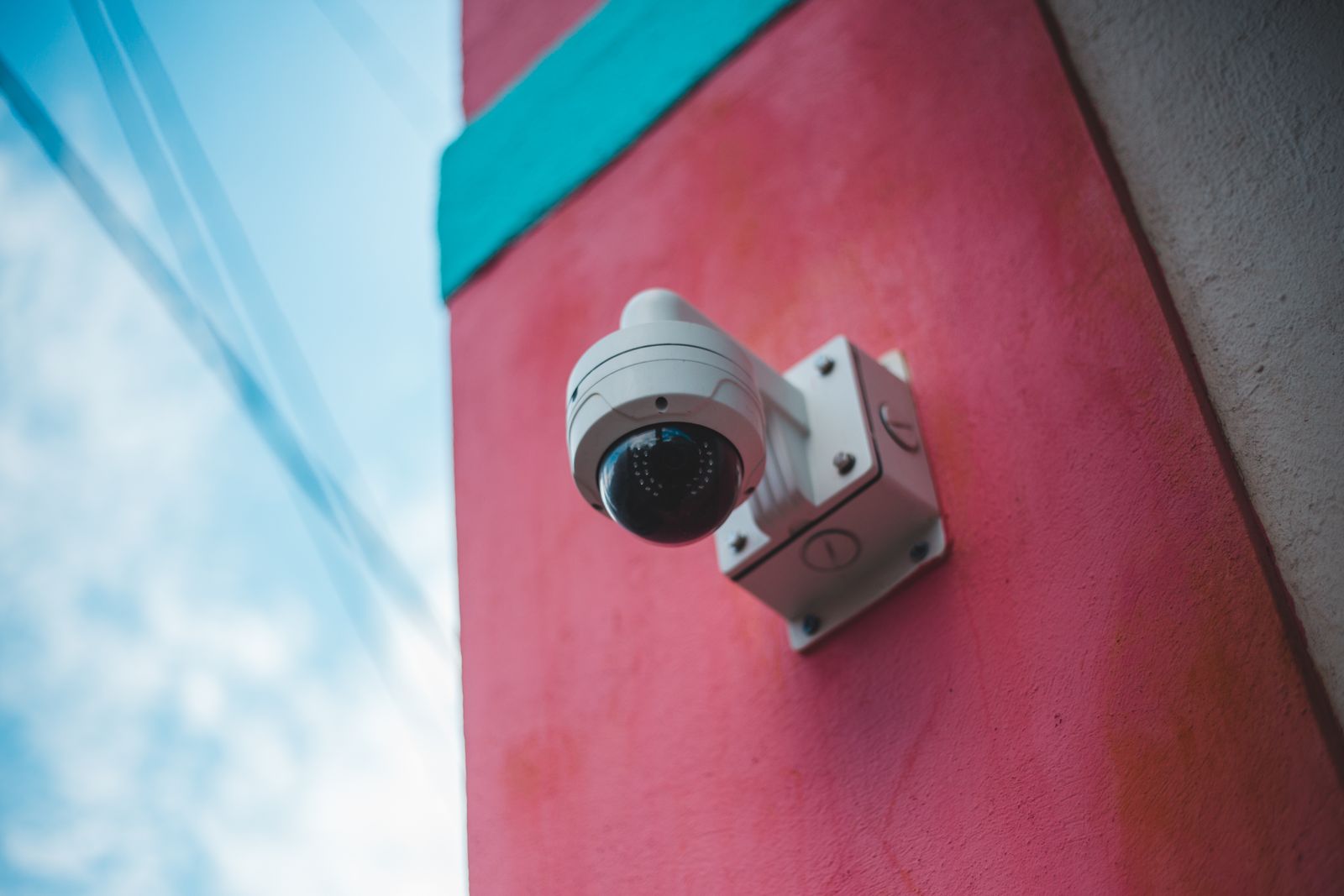
More and more companies install cameras and access control systems convinced that this is enough. And while technology is essential today, it is worth saying clearly from the outset: a camera records, but it does not act. A turnstile controls entries, but it cannot tell a strange behaviour from a normal one. Effective security is almost never “either technology or people”, but a well-thought-out combination of both.
Let’s go through what each tool offers, where its limits lie, and how it integrates with professional surveillance.
What video surveillance offers
A well-designed video surveillance system provides three valuable things: evidence, deterrence and context. It records what happens, which serves both to reconstruct an incident and to support a report or an insurance claim. Visible cameras deter many intruders. And day to day, they let managers oversee large areas without moving around.
Technology has improved a great deal here. Video analytics can detect intrusions into restricted areas, line crossings, abandoned objects or loitering outside opening hours, and generate automatic alerts instead of leaving the task to an operator watching screens. On large sites, this makes a real difference.
What access control offers
Access control organises who enters, when and by which route. Depending on the level of rigour required, it ranges from a simple registration at reception to systems with cards, biometrics or two-factor authentication. Its most useful functions are:
- Restricting sensitive areas (warehouses, technical rooms, safes) to authorised staff.
- Keeping a record of every access, with date and time.
- Controlling capacity in venues and spaces with a legal limit.
- Managing visits and suppliers without disrupting operations.
Properly configured, an access system reduces the opportunities for intrusion and simplifies the investigation of any incident.
The limit of technology (and why it matters)
No system, however good, solves security on its own:
- A camera does not stop a theft. It records, but the damage is done by the time someone reviews the footage.
- An alarm warns, it does not attend. Without a physical response, deterrence is limited.
- No one interprets the images. An alert at three in the morning with no one to verify it can end up as a false positive — or a real incident that gets ignored.
- Technology can be defeated: blind spots, power cuts, sabotage.
That is why video surveillance performs twice as well when someone reacts to it.
The mixed model: technology + human surveillance
The most effective strategy combines the best of each part. Technology monitors continuously, detects and alerts; the guard provides presence, judgement and the ability to act. A typical setup works like this:
- Sensors and cameras detect an anomaly.
- The control room or the system itself raises the alert.
- The security guard attends, verifies and acts according to protocol.
- An incident record is kept and law enforcement is coordinated if needed.
This scheme reduces false positives, shortens response times and multiplies the deterrent effect: anyone hesitating to break in knows there are not just cameras, but people able to arrive and act.
Don’t forget the legal side: data protection
This is where mistakes are made that can prove costly. Installing video surveillance is subject to the GDPR and Spanish data protection law, and brings concrete obligations: clearly informing that recording is taking place, respecting the principles of proportionality and data minimisation, limiting how long footage is kept, and processing the data securely. Recording without meeting these requirements exposes you to fines and can invalidate the evidence.
A professional provider designs the system with these obligations in mind, not just camera coverage. It is another reason not to improvise.
How to decide what your business needs
There is no single solution. A small shop, a warehouse, a leisure venue and a factory have very different risks. Before installing anything, it is worth answering three questions: what do you want to protect, from whom, and what should happen when something occurs. The answers determine whether video surveillance is enough, whether access control is needed, whether occasional guards make sense, or whether the right choice is a mixed setup working in a coordinated way.
At Marcius Seguridad we analyse each case and propose the right combination, with an approach that unites technology and human surveillance. If you are considering protecting your business, tell us about your situation and we will help you decide — without selling cameras you don’t need or promising what they cannot do.